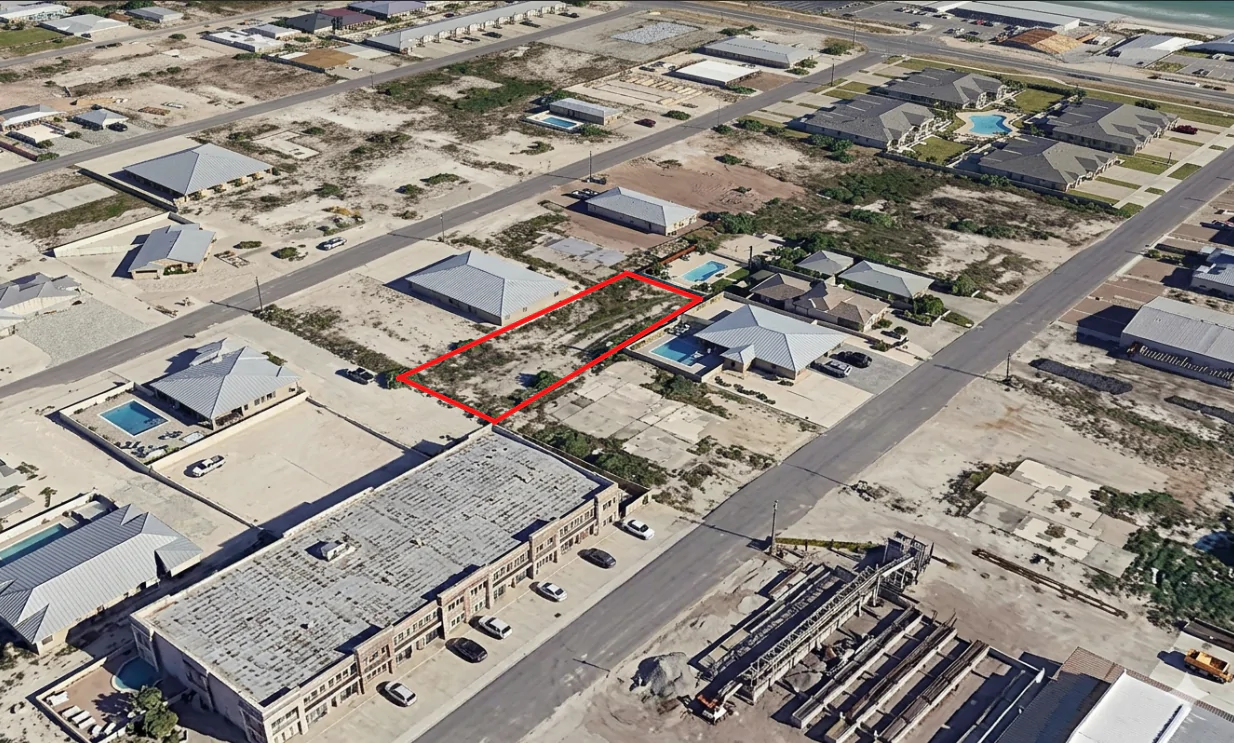
City of Bend Code Chapter 15.10 requires ADUs inside city limits to connect to city sewer if the existing septic system cannot support additional load. No third option exists — no new separate septic system, no variance process. Parcels inside city limits are subject to city sewer code regardless of property size, rural appearance, or existing on-site septic infrastructure.
A family owned three and a half acres inside City of Bend. Existing home, existing septic, mountain views, and room to add. They had plans drawn for an 800-square-foot, one-bedroom ADU and the project looked straightforward on paper. A pre-purchase SiteFacts report came back before any further money moved.
The sewer situation ended the ADU.
City of Bend Code Chapter 15.10 (General Sewer Regulations) governs sewer connection requirements within city limits. For ADU construction specifically, the code allows exactly two options: the ADU connects to the existing on-site septic system if that system can support the increased load, or the ADU connects to city sewer. Those are the only two paths. There’s no third option, no variance process, and no engineering workaround that changes this.
In the case described above, the existing septic system could not support an additional dwelling unit. The nearest city sewer connection was more than a quarter mile from the property. Three separate sources, including City of Bend Engineering, Deschutes County’s onsite wastewater division, and a licensed septic consultant retained specifically to find an alternative, all confirmed the same conclusion: there was no compliant path for the ADU. The connection cost at that distance made the project economically impossible.
The ADU was abandoned. The owners built a shop instead.
This is an edge case. Not every ADU project inside City of Bend runs into this. But edge cases are where the actual rules surface, and what this one reveals matters: ADU feasibility depends on more than zoning permission. The constraints that quietly end projects are usually the things no one thought to check before purchase — jurisdiction, sewer service, septic capacity, utility distance, overlays, access, and permit triggers. The sewer question here is one example of how that pattern shows up in the field.
Why City Limits and County Land Look the Same on the Ground
The boundary that matters for sewer requirements is not the property line, the lot size, or what the property looks like from the road. It is the jurisdictional boundary.
Large parcels inside City of Bend are subject to city code even when they feel rural, even when they border county land, and even when the surrounding area operates on septic. City limits run where they run. Properties inside city limits answer to the city’s code, not to Deschutes County.
This is the piece most buyers don’t check before they purchase. Most people planning an ADU don’t start with an architect. They go straight to a builder. And a builder’s job starts at the build phase, not the due diligence phase. Nobody in that sequence is flagging the jurisdictional boundary before the design budget is committed. The assumption, understandable but wrong, is that a property this large and this rural in character must be on county rules. In Central Oregon, that assumption ends projects.
In the case this post describes, the property owner initially contacted Deschutes County’s onsite wastewater division to explore adding capacity to the existing system. The county’s response was direct: “Due to City of Bend’s code, the county cannot approve any new or alterations to existing systems.” The county had no authority to act because the property was inside city limits, and the city’s code controlled entirely.
The Two-Option Framework Under Chapter 15.10
City of Bend Code Chapter 15.10 establishes a clear requirement for ADUs within city limits, and it does not leave room for interpretation.
If the existing on-site septic system can support the increased load from an ADU, the ADU may connect to that system. If the existing system cannot support the load, connection to city sewer is required. A new, separate septic system for the ADU is not permitted under this code.
This is the direct answer to the question most buyers and builders do not think to ask before purchase: does City of Bend require sewer connection for ADUs?
If the existing septic cannot support the additional unit, yes. Connection to city sewer is required regardless of how far away the nearest connection happens to be. City of Bend Engineering confirmed this position in writing: “if your current tank is not feasible to serve the ADU addition, connection to city sewer is required.”
The county confirmed from their side: “The City won’t allow upgrades to an existing system to serve an ADU.”
Two agencies, one answer.
When the Sewer Is a Quarter Mile Away
The economic problem in situations like this is not regulatory. It is geographic.
A sewer extension of more than a quarter mile carries a construction cost that no ADU rental income can justify. The numbers don’t work. And no amount of project management, phasing, or negotiation changes them. The sewer is where it is.
In the case this post describes, a licensed septic consultant was retained specifically to find a compliant engineering path around the code. His conclusion, after reviewing the site and the applicable code: no compliant path existed for the ADU. It was not a close call.
That is what Chapter 15.10 does in practice on lots where the sewer is far away. It does not just raise costs. It ends projects.
The Land Division Workaround Does Not Work
Partitioning the property to create a new flag lot does not avoid the Chapter 15.10 sewer connection requirement. The owners considered this path, reasoning that a new vacant parcel might qualify for different treatment under county wastewater rules and potentially allow a new septic system to serve a new structure.
City of Bend Engineering confirmed in writing that this approach does not work. Partitioning triggers the sewer connection requirement before any vacant-lot exemptions apply. The land division creates a new parcel that is still inside city limits, still subject to Chapter 15.10, and still requires connection before construction begins. The workaround isn’t a workaround.
The Sewer Was the Problem Here. Somewhere Else, It Will Be Something Different.
Oregon’s ADU reform efforts have pushed toward making accessory dwelling units easier to build across urban areas. The intent is real. But state policy doesn’t override local infrastructure, and local infrastructure is where projects die.
The sewer constraint in this case was specific to this property and this city’s code. That is not how it works everywhere. But the pattern is the same everywhere: ADUs are governed by rules that go well beyond a zoning designation, and those rules vary by jurisdiction.
In other cities and counties, the constraint might be ADU sizing limits that make the unit economically unviable. It might be solar setback requirements that eliminate buildable area on smaller lots. It might be parking requirements that can’t be met without eliminating yard space. It might be a minimum distance requirement between the ADU and the primary residence. It might be access standards, fire codes, utility line locations, or permit triggers that activate when construction crosses a threshold nobody noticed.
You can’t assume an ADU is buildable based on a zoning designation. Zoning tells you what might be allowed. The site, the infrastructure, and the local code together determine whether it actually is. Those are three different questions, and the answers don’t always point the same direction.
What to Confirm Before You Buy or Before You Draw Plans
If you are inside City of Bend limits and you are considering an ADU, the sewer question is not a design-phase issue. It is a pre-purchase question, and it needs to be answered before money is committed to anything else.
In this case, the question was sewer. But the same pattern applies across a broader set of site-specific constraints that commonly end ADU projects before they start: jurisdiction, sewer service status, septic capacity, utility distance, overlays, site access, and permit triggers that activate at land division or new construction. These are not design-phase questions. They are pre-purchase questions, and they have answers that are accessible before you own the property.
For this specific situation: what is the existing sewer infrastructure? Is the existing septic large enough to support an additional dwelling unit? Where is the nearest city sewer connection and what does extension at that distance cost? These are the questions that needed to be answered first.
A site feasibility check, completed before purchase or before a builder is engaged, confirms the jurisdictional boundary, the existing sewer service status, any applicable code requirements for new construction or ADU additions, and the site conditions relative to the planned project. If a constraint would end the ADU, that check surfaces it before the design budget is spent. If the property is viable, the check confirms it and gives the build team a foundation to work from.
The cost of finding out before purchase is a fraction of the cost of finding out after. That check takes days, not months. And it is the only step in the process that gives you the answer before you have already committed the resources that prove it mattered.
ADU rules for OR, WA & ID. The 7 hidden infrastructure costs. 10 due diligence questions. Delivered to your inbox immediately.
No spam. One email with your guide.
SiteFacts pre-purchase due diligence reports flag jurisdictional boundaries, utility service status, and the applicable sewer requirements for properties across Central Oregon. That is the check that tells you whether the ADU is buildable before the design budget is spent.
If this situation feels familiar, or if you are currently evaluating land inside City of Bend or anywhere in an Oregon urban growth boundary, that sewer question is worth asking before anything else.
Download the due diligence checklist at SiteFactsReport.com, or contact Sand & Sage for a pre-purchase site assessment.
SiteFacts Case Data: Bend ADU Sewer Constraints
City of Bend sewer connection requirements for ADUs are among the most common deal-ending constraints SiteFacts has documented in Deschutes County assessments. Sewer extensions in the Bend area range from $40,000 for short runs to over $150,000 for extensions exceeding a quarter mile. Three independent sources — City of Bend Engineering, Deschutes County onsite wastewater division, and a licensed septic consultant — confirmed no compliant alternative path exists when existing septic is inadequate and city sewer is distant. The land division workaround also fails: new parcels inside city limits trigger the same connection requirement before any vacant-lot exemption applies. SiteFacts pre-purchase reports identify sewer infrastructure status, extension distance, and connection feasibility for every Deschutes County parcel assessed.