Due Diligence

The Landlocked Lot That Wasn’t
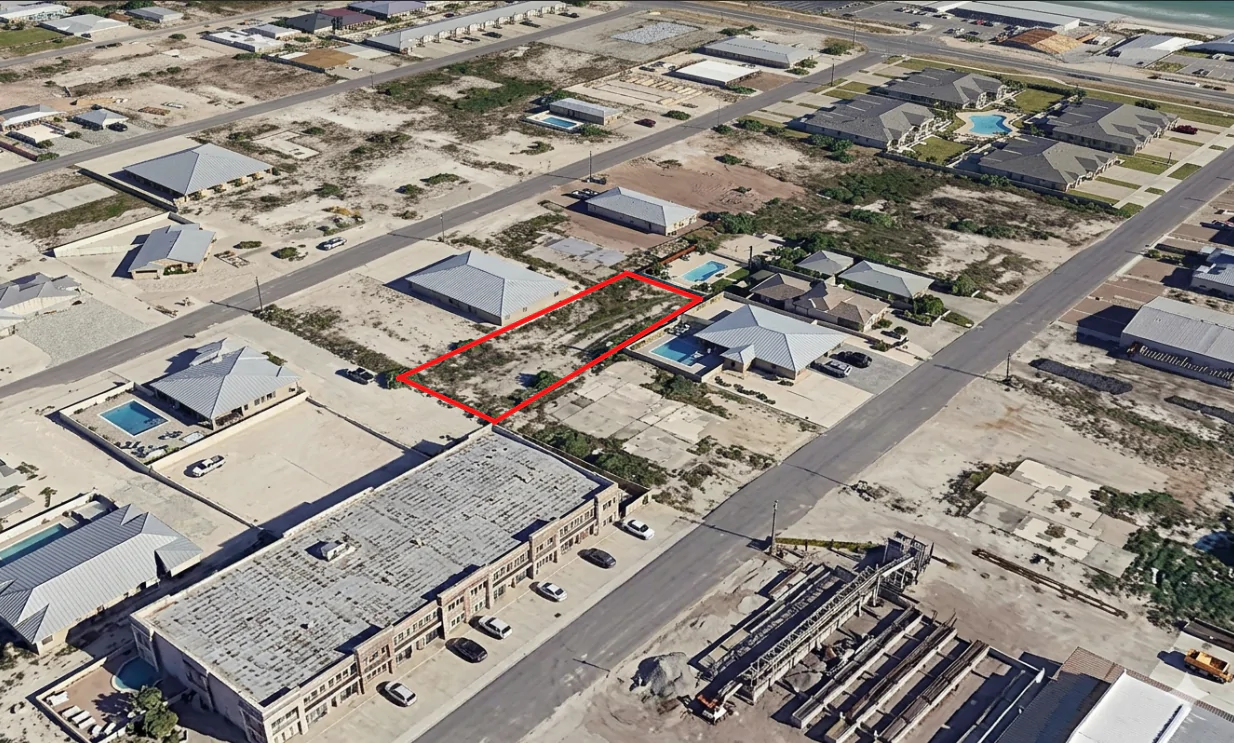
Florida lot priced as landlocked. Deed research found the recorded easement, caught a wrong flood zone. Up to $180,000 value. SiteFacts report: under $500.

Florida lot priced as landlocked. Deed research found the recorded easement, caught a wrong flood zone. Up to $180,000 value. SiteFacts report: under $500.

What Professional Services You Actually Need to Build a Home on Your Own Land You bought land to build on. You found a builder. You got a price. Then the permit application went in and the building department sent it back with a requirement you had never heard of: a
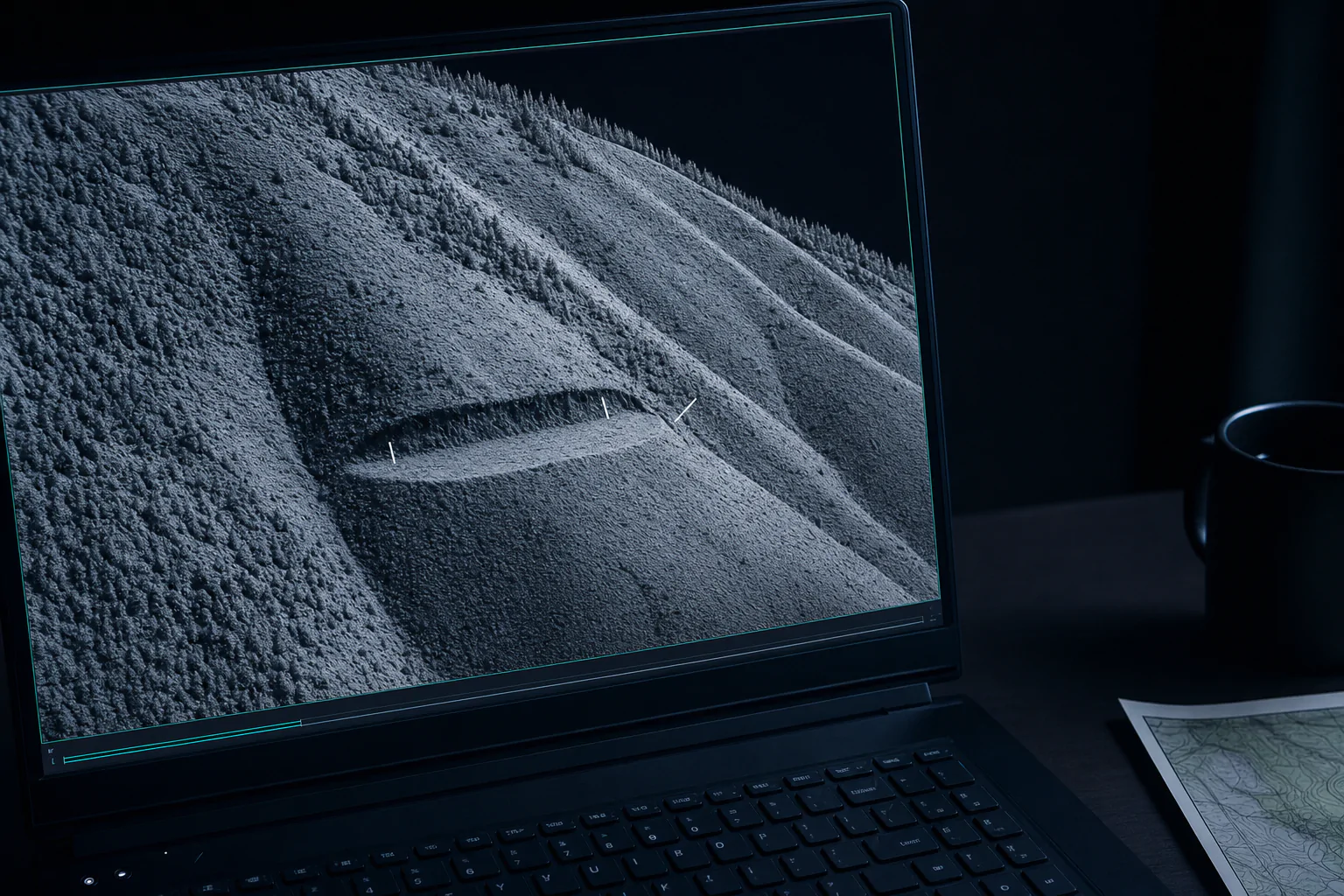

Cut and fill site preparation compacts soil excavated from higher elevations to fill lower areas of a parcel. Fill placed before 1970 often lacks engineering documentation and may not meet modern compaction standards. Structures built on inadequately compacted fill risk differential settlement, foundation cracking, and drainage failure — defects that appear years after construction.

City of Bend Code Chapter 15.10 requires ADUs inside city limits to connect to city sewer if the existing septic system cannot support additional load. No third option or variance process exists. A sewer extension exceeding a quarter mile — confirmed by City of Bend Engineering and a licensed septic consultant — carries costs that ADU rental income cannot justify.

Commercial zoned properties with existing residences may retain grandfathered residential rights that permit ADU additions under specific conditions. Prior permit applications — even abandoned ones — document utility requirements, zoning interpretations, and setback rulings that define what is and is not buildable on the parcel today.

Residential building permit timelines in the Pacific Northwest range from 4 weeks in rural counties to 6 months or more in high-growth urban jurisdictions. Oregon requires notification to Scenic Waterway authorities for parcels within one mile of designated rivers. Washington mandates energy code compliance reviews that add two to four weeks to standard plan check timelines.

City sewer connection costs in the Pacific Northwest depend on distance from existing infrastructure. Extensions exceeding a quarter mile cost $80,000 to $150,000 before permits and engineering fees. Properties marketed as having city sewer nearby may require owners to fund the full extension distance themselves.

Hydric soils indicate wetland conditions that trigger Oregon and Washington development restrictions under state and federal law. Wetland delineations cost $2,000 to $8,000. Properties with confirmed wetlands face setback requirements of 25 to 100 feet, reducing buildable area. Development in regulated wetlands requires permits from the Army Corps of Engineers and state environmental agencies.

Sidewalk requirements for infill lots are triggered at building permit issuance by municipal code, not at property purchase. Cities including Portland, Bend, and Seattle require full frontage sidewalk installation as a condition of building permits. Costs range from $5,000 to $20,000 depending on lot frontage width and existing curb and gutter conditions.

Electrical service planning for new home construction requires evaluating distance to the nearest transformer, trenching costs, and panel sizing for future load. Pacific Northwest utility hookup costs range from $2,000 to $25,000 depending on service distance and terrain. Properties more than 300 feet from existing infrastructure face the highest connection costs.

Grading and drainage issues arise when site work alters natural water flow patterns without adequate engineering. Pacific Northwest building codes require positive drainage away from foundations with a minimum 2% slope for 10 feet. Drainage disputes between adjacent parcels represent one of the most common residential construction legal conflicts in Oregon and Washington.

Tree removal and site preparation for new home construction includes stump grinding, root excavation, and structural backfill of stump holes. Improperly backfilled stump holes create foundation settlement risks. Tree removal costs range from $500 to $3,000 per tree. Stump hole remediation adds $1,000 to $5,000 per void depending on diameter and depth.

Expansive soils contain clay minerals — particularly montmorillonite — that expand significantly when wet and contract when dry. This volume change exerts uplift pressure on foundations and slabs, causing cracking and structural damage over time. Pacific Northwest soils with high clay content require geotechnical evaluation before purchase or foundation design.

A SiteFacts Report is a land due diligence report covering zoning, topography, septic feasibility, utility access, fire codes, and hazard zones for Pacific Northwest parcels. Reports are reviewed by a land development expert and delivered before purchase or design commitment. SiteFacts reports identify site development costs and regulatory barriers that title company reports do not address.

Fire access requirements for residential property mandate that fire apparatus roads reach within 150 feet of all exterior walls, per IFC Section 503.1.1. Minimum road width is 20 feet, with 13 feet 6 inches vertical clearance and 15% maximum grade. Roads exceeding 300 feet require turnarounds. Non-compliant access requires NFPA 13D sprinkler systems as mitigation.

Septic systems in the Pacific Northwest vary by county regulations, soil percolation rates, and available parcel area. Conventional gravity systems require soil absorbing water at 5 to 30 minutes per inch. Alternative systems including mound, aerobic, and pressure-dosed installations cost $15,000 to $40,000 more than standard gravity systems.

Washington state single-family home construction costs average $309 per square foot, according to the 2024 Building Industry Association of Washington report — more than double the national average of $130.68. Snohomish County leads the state at $374 per square foot. Regulatory fees account for approximately 24% of total construction costs statewide.

A land survey establishes legal property boundaries by referencing recorded plats, monuments, and deed descriptions. Boundary surveys cost $500 to $1,500 for standard residential lots. Without a survey, buyers risk accepting encroachments, easements, or disputed boundaries that cost $15,000 or more to resolve after purchase. Fences rarely align with legal property lines.

Due diligence before buying land means verifying zoning, permit history, utility access, soil conditions, and jurisdictional requirements before legal commitment to purchase. Pacific Northwest land purchases without due diligence carry documented risks of $10,000 to $100,000 or more in unexpected site development costs discovered after closing.

A percolation test measures soil drainage rates to determine whether land can support a septic system. Soil absorbing water at 5 to 30 minutes per inch meets standard septic requirements. Tests cost $300 to $1,500 for standard assessments. Failed tests may require engineered systems costing $15,000 to $40,000 or more, or connection to municipal sewer if available.

Buying land for home construction requires verifying zoning, utility access, topography, soil drainage, and permit requirements before committing to purchase. In the Pacific Northwest, raw land parcels frequently require $20,000 to $80,000 in site preparation costs — grading, utility extensions, and access improvements — that appear nowhere in listing descriptions.

The true cost of a home location extends beyond purchase price to include permit fees, utility connection costs, and property taxes over a 30-year ownership horizon. Oregon county comparisons show property tax differentials exceeding $200,000 over ownership lifetime for equivalent homes. Location determines development costs that listing prices never disclose.

Buying land to build a home in the Pacific Northwest requires evaluating zoning, utilities, topography, soil conditions, and jurisdiction-specific permit requirements before making an offer. Hidden site costs — grading, utility extensions, fire access roads, and permit fees — routinely add $30,000 to $150,000 to a project budget that listing prices never reflect.

Geotechnical reports assess soil bearing capacity, expansive clay content, and groundwater depth before construction begins. Most Pacific Northwest jurisdictions require geotechnical investigation for hillside lots and custom home builds before permit issuance. Reports cost $2,500 to $8,000 depending on site complexity and number of borings required.

Wildland urban interface designations apply when residential development borders fire-prone vegetation. Pacific Northwest WUI zones require fire-resistive construction, defensible space of 30 to 100 feet, and fire access roads meeting IFC 503 standards. Properties inside WUI boundaries face stricter insurance requirements, higher build costs, and mandatory sprinkler systems in many jurisdictions.