Geotechnical Reports: What a Soils Study Tells You Before You Build
A geotechnical report is a licensed engineer's read on what's beneath your build site. Here's when Pacific Northwest jurisdictions require one, and the $50,000 repair skipping it can trigger.

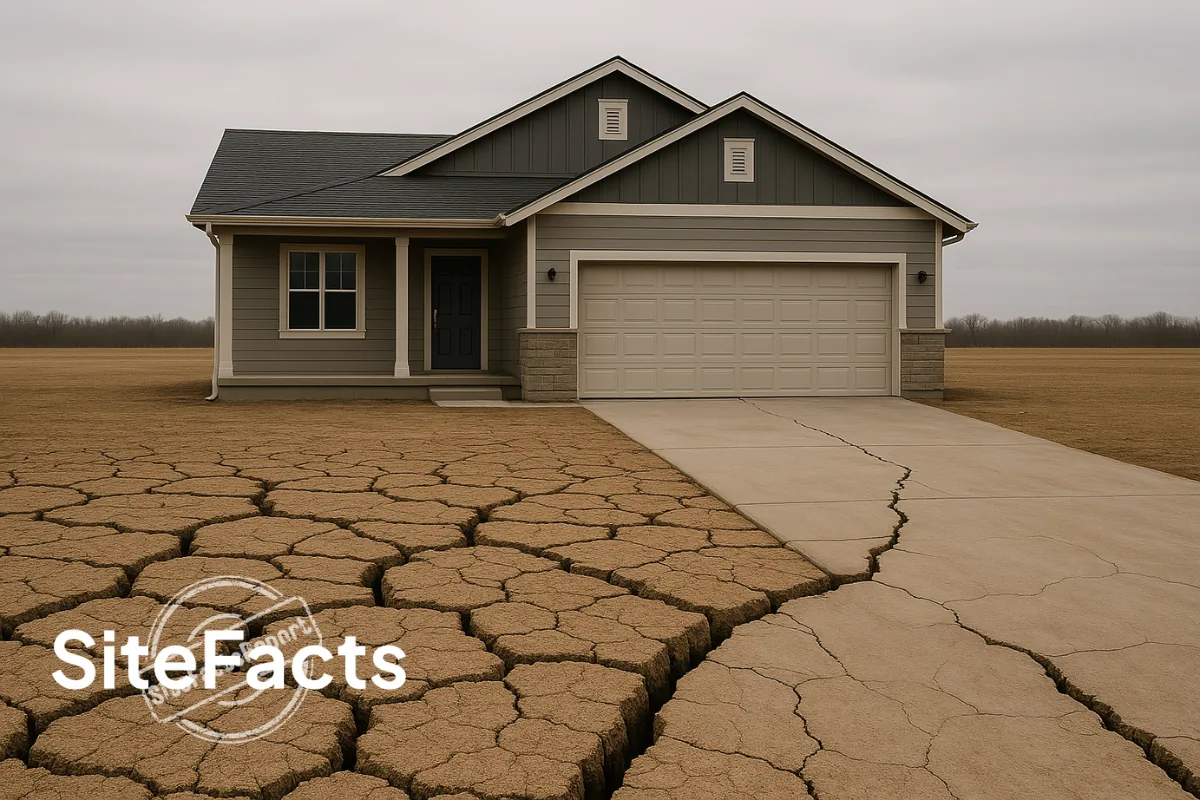
A geotechnical report is a licensed engineer’s assessment of what sits underneath a building site: soil bearing capacity, groundwater depth, expansive clay content, and slope stability. On the wrong lot, it’s the difference between a foundation permit and a $50,000 repair bill.
When you actually need one
Most Pacific Northwest jurisdictions require a geotechnical study (really a Soils Study by a geotechnical engineer, not a simple compaction test) before they’ll issue a foundation permit on questionable ground. The triggers are consistent:
- Disturbed soils. An old home demolished and filled in, a pad leveled by cut-and-fill, large trees removed and holes backfilled, or buried trash pits and abandoned septic tanks.
- Expansive soils. Clays that swell and shrink with moisture and slowly wreck a foundation over time.
- Slope and prior grading. Under IBC Section 1804.4, footings can’t sit on uncontrolled fill, so any sloped or previously graded site draws scrutiny.
What the study does
A geotechnical engineer pulls soil samples with a shovel, auger, or sometimes a backhoe, and reads what’s there. If they find a problem, they prescribe the fix, often “over-excavation”: digging out the bad material and replacing it with engineered fill like gravel, compacted to spec.
Get ahead of it
Before you order anything, you can screen the site yourself:
- Check the USDA Natural Resources Conservation Service for detailed soil reports.
- Ask your local building department about known soil issues in the area.
- Have an experienced site evaluator walk the lot for red flags.
A simple study runs $1,500 to $2,500. A complex sloped site, with three to six borings plus slope-stability analysis, runs $3,000 to $8,000. Skip it where it’s required and differential settlement can cost $50,000 to six figures to repair. Your home is only as solid as the ground it’s built on, and on sites where the study is required, it is not optional.
Know the ground before you pour the footings
SiteFacts flags the soil, slope, and prior-grading conditions that trigger a geotechnical study, before you commit to the lot.
Related reading
 Soils
SoilsWhy Expansive Soils Matter When Buying Land
The lot looks perfect. The problem is what's under it: clay soils that swell, shrink, and quietly crack foundations long after closing.
Read Site Development
Cut and Fill: The 50-Year-Old Site Prep That Can Kill Your Build
A LiDAR scan revealed a 1978 fill bench invisible on every aerial photo. Why building on 50-year-old unengineered fill can be a structural time bomb, and what the code and a geotech require before you pour.
Read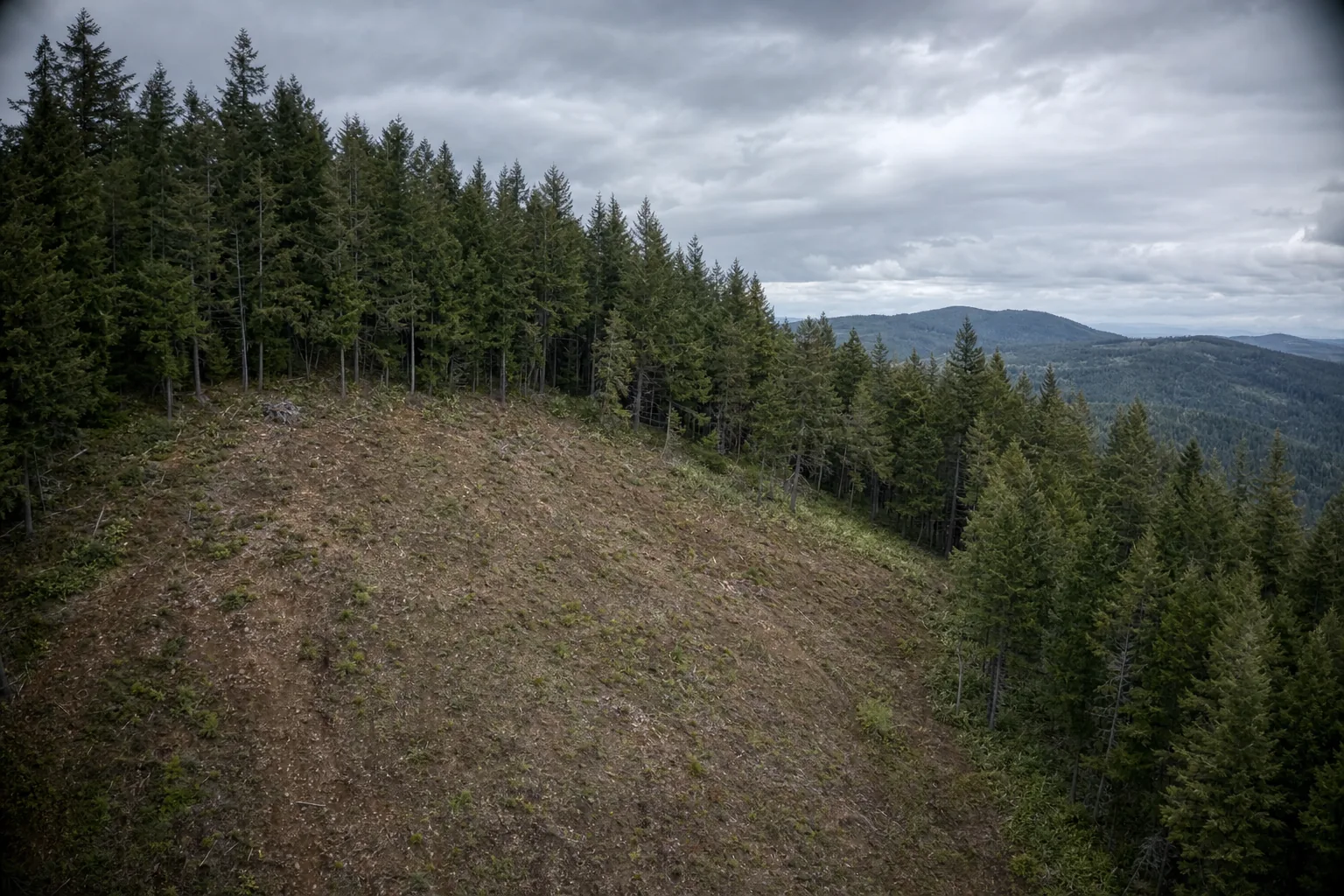 Land Buying
What Professional Services You Actually Need to Build a Home on Your Own Land
Which surveys, engineers, and reports your lot requires isn't up to you or your builder. It's decided by regulation and covenants attached to the land. Read that layer before the builder conversation.
Read