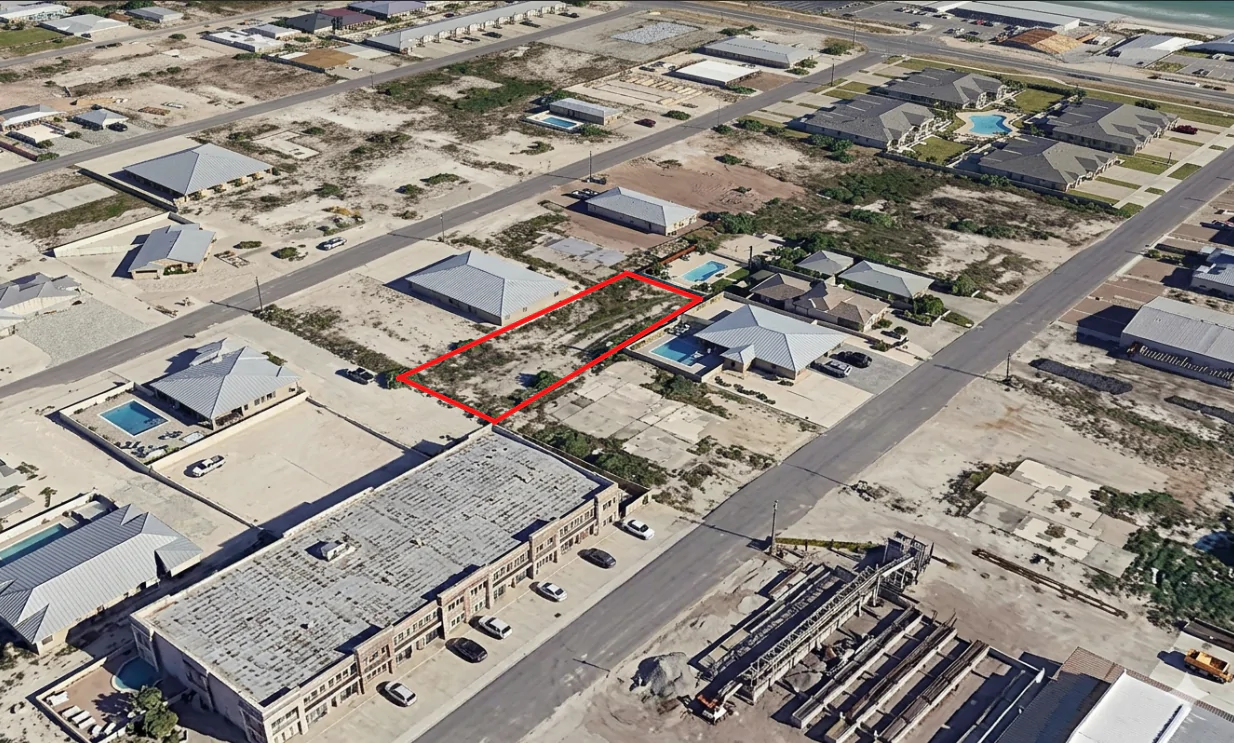
Quick Answer
“City sewer nearby” in a property listing does not mean sewer is available at the property line. Sewer main extensions in the Pacific Northwest cost $150 to $200 per linear foot, plus $8,000 to $12,000 per manhole and $25,000 to $40,000 for a lift station when elevation differences require one. A 300-foot extension totals $96,000 to $139,000 before property-line connections and engineering fees. Rural properties created through minor partition — splitting a farm into 2 or 3 lots — are especially likely to carry undisclosed infrastructure extension requirements.
The Perfect Property With a $100K Secret
Hidden costs when buying land can transform a dream property into a financial nightmare. Sarah and Mike discovered this reality when a seemingly perfect 3.5-acre lot in Eastern Washington came with a shocking surprise: $100,000+ in hidden land development costs.
After two years of searching for the ideal spot to build their retirement home, they found what appeared to be the perfect property. The listing checked every box: within city limits, reasonable slope, beautiful farming community setting, and those magic words every land buyer wants to see: “city water and sewer nearby.”
But as their due diligence process would reveal, “nearby” and “available” carry dramatically different price tags in land development.
When Property Listings Hide Infrastructure Reality
Twenty years of conducting site facts reviews has taught me that real estate listings are marketing documents first, technical specifications second. The phrase “city sewer nearby” triggered immediate red flags during my property investigation.
Here’s what most land buyers don’t realize: utilities nearby doesn’t guarantee affordable connection. In fact, this seemingly positive feature can indicate expensive infrastructure requirements that sellers prefer not to highlight.
Sarah called me the same afternoon she discovered the property, barely containing her excitement. “This is exactly what we’ve been looking for. Can you do a quick review so we can make an offer tomorrow?”
I could hear the joy in her voice, but experience had taught me to dig deeper into municipal infrastructure requirements before any land purchase moves forward.
The Land Due Diligence Process That Saves Dreams
Proper due diligence for land purchases requires systematic investigation beyond basic property records. Here’s the process that uncovered Sarah’s hidden costs:
Municipal Records Deep Dive. This small Eastern Washington farming town, like many rural communities, hadn’t invested in comprehensive GIS mapping for utilities. Their system showed basic zoning and parcels, but infrastructure details remained buried in departmental files. The property had recently been created through a minor partition — splitting a larger farm into just two lots. This process often bypasses the extensive infrastructure reviews required for major subdivisions, creating potential gaps in utility planning.
Critical Area and Environmental Assessment. My standard site facts review covered all environmental factors: Wetlands mapping (clear of any wetland designations), FEMA flood zones (no flood concerns identified), NRCS soil analysis (good drainage and stable conditions for residential construction), slope analysis (manageable 6% grade, well within building requirements), and critical areas review (no steep slopes, wildlife habitat, or geological hazards). Everything pointed to an ideal building lot — except for the utility infrastructure gap.
Direct Municipal Contact Strategy. When GIS systems lack utility details, successful land development requires direct communication with public works departments. I sent a detailed request to the city, including property maps and specific questions about water main locations and connection requirements, sewer system capacity and extension needs, special conditions or development requirements, and timeline and permit processes for utility connections.
The $100,000 Infrastructure Reality Check
The response from Public Works revealed the true cost of “city sewer nearby.” While water service was indeed available at the street, the sewer situation required major infrastructure development.
Sewer Main Extension Requirements: 300 feet of new main through city streets, two standard manhole installations, a mandatory lift station due to elevation differences, and no alternatives — city codes require connection to municipal sewer.
Hidden Land Development Costs Breakdown: Sewer main extension: $45,000–$60,000 (at $150–$200 per linear foot). Manhole installations: $16,000–$24,000 (two units at $8,000–$12,000 each). Lift station system: $25,000–$40,000. Engineering and permits: $10,000–$15,000. Total estimated cost: $96,000–$139,000. These figures did not include property-to-house connections or potential complications from other utilities in city streets.
How Minor Partitions Create Infrastructure Gaps
Sarah’s situation illustrates a growing problem in rural land development. Minor partitions, typically involving 2–3 lots, face less regulatory scrutiny than major subdivisions. This streamlined approval process can leave infrastructure responsibilities unclear until someone attempts to build. The original farm property had been served by private wells and septic systems. When divided, the city’s connection requirements applied to new construction, but the infrastructure to support those requirements didn’t exist. This regulatory gap between subdivision approval and infrastructure reality creates hidden costs that unsuspecting land buyers discover too late in the development process.
Turning Hidden Costs Into Negotiation Power
Discovering infrastructure requirements before making an offer transformed Sarah’s position from potential victim to informed negotiator. Knowledge of the true development costs provided several strategic options: requiring the seller to complete sewer extension before closing; reducing the purchase offer by estimated infrastructure costs; or negotiating a shared investment approach that balances risk between parties. The key advantage was timing — understanding requirements before commitment allowed for strategic negotiation rather than crisis management.
The Resolution: From Crisis to Success
Armed with detailed infrastructure cost analysis, Sarah successfully negotiated a resolution that saved her dream home project. Ultimately, they agreed to a $50,000 reduction in purchase price, an additional $50,000 seller contribution toward sewer extension, and an extended closing to allow infrastructure completion. Sarah closed on the property with full knowledge of costs and timeline. The sewer extension took four months to complete, but she was prepared for both the duration and expenses. Her dream home is now under construction with complete city utility service.
Essential Lessons for Land Development Success
Question every listing description. Real estate marketing terms like “nearby,” “available,” and “accessible” can mask expensive infrastructure requirements. Always verify actual connection costs and requirements.
Conduct municipal research early. Don’t rely solely on online mapping systems. Contact utility departments directly for detailed infrastructure information before making offers.
Budget for infrastructure surprises. Even when utilities are truly available, connection costs vary dramatically based on distance, elevation, and local requirements. Build contingency funds into development budgets.
Time your due diligence strategically. Discovering infrastructure requirements after making offers limits negotiation power. Complete utility feasibility analysis before commitment.
Consider the full development timeline. Infrastructure work can add months to construction schedules. Factor these delays into planning and financing arrangements.
The Ultimate Takeaway: Knowledge Prevents Disaster
“City sewer nearby” seemed like a simple, positive feature in Sarah’s property listing. In reality, it represented over $100,000 in hidden land development costs that could have destroyed her retirement home dreams. The difference between discovering infrastructure requirements before making offers versus after closing determines whether hidden costs become negotiation opportunities or financial disasters. Every property carries infrastructure stories. The question is whether you’ll discover those stories before purchase or after ownership.
Sewer laterals, utility hook-ups, and infrastructure costs are a major part of any ADU project. See the full cost picture before you commit.
- State-by-state ADU rules in plain English
- 7 hidden costs with real dollar ranges ($2,000 to $70,000+)
- 10 due diligence questions for buyers, builders, and realtors
Ready to protect your land investment from hidden costs? Order a SiteFacts report for a comprehensive site review that reveals the complete infrastructure story before you buy.
SiteFacts Case Data — Infrastructure Gap, Eastern Washington
SiteFacts analysis of a 3.5-acre Eastern Washington property listed with “city water and sewer nearby” confirmed via direct Public Works contact: water service was available at the street; sewer required 300 linear feet of new main through city streets, two manhole installations, and a mandatory lift station due to elevation differences — no alternative connection method permitted under city code. Total infrastructure cost: $96,000–$139,000 before property-to-structure connections. The property had been created by minor partition — a 2-lot farm split that bypasses infrastructure review required for major subdivisions. The gap between subdivision approval and infrastructure reality went undisclosed in the listing. The buyer discovered it through a pre-offer SiteFacts review and negotiated a combined $100,000 purchase price reduction and seller infrastructure contribution before closing.
Source: SiteFacts site evaluation, Eastern Washington rural residential parcel. sitefactsreport.com
Related Reading
Understanding Septic Systems in the Pacific Northwest — When municipal sewer is unavailable or too expensive to extend, septic feasibility becomes the critical question. What system types cost and which site conditions disqualify standard gravity systems.
What Is a Perk Test? A Must-Know for Homebuyers and Developers — The percolation test determines whether a site can support a septic system. What it measures, when it is required, and what a failure means for the project.