Understanding Septic Systems in the Pacific Northwest: What Land Buyers and Builders Must Know
On most rural PNW lots, one question decides whether you can build at all: what will it take to treat the wastewater? Here's how septic feasibility really works, and what the wrong soil costs you.
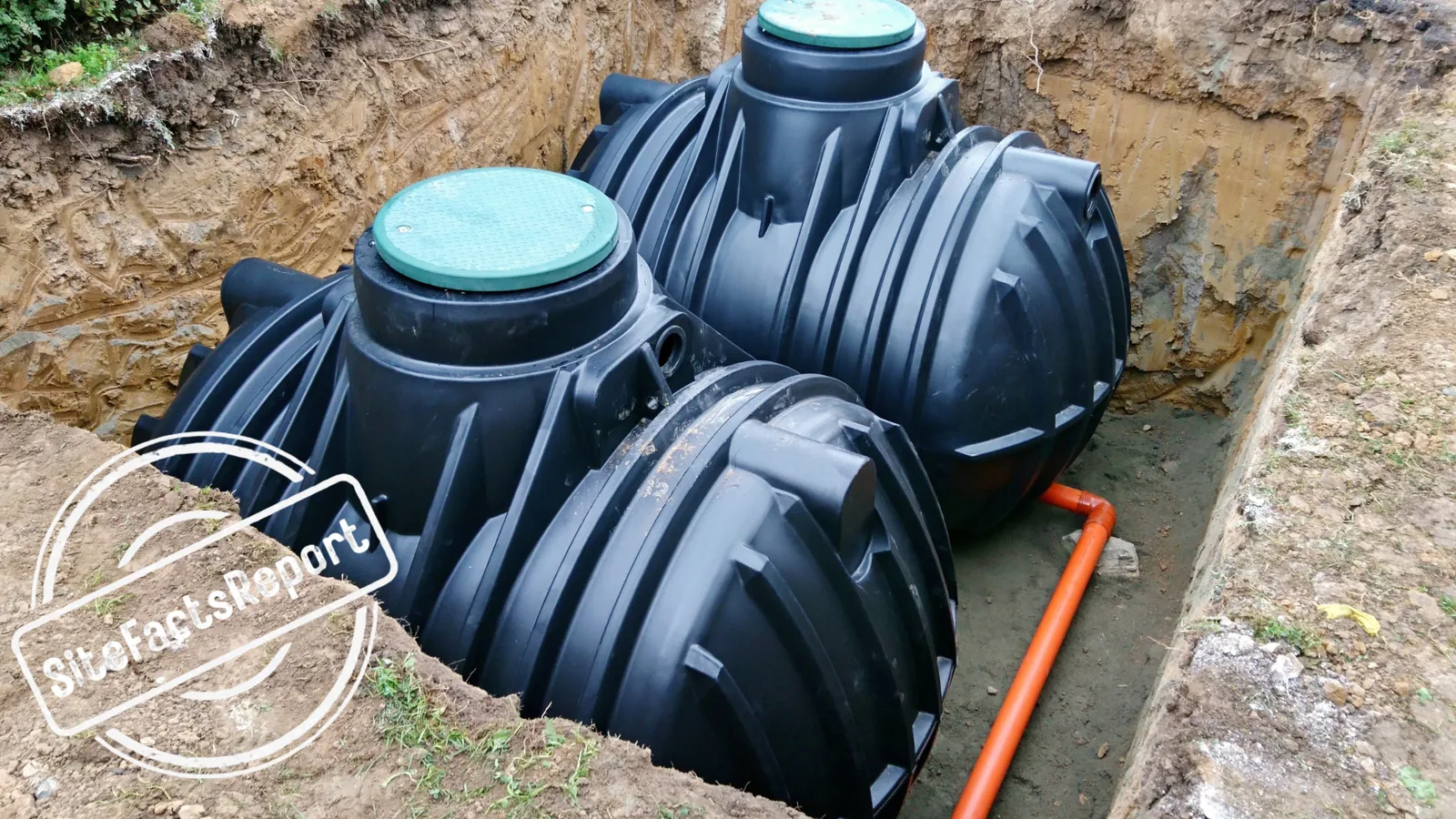
Buying rural land in Oregon or Washington means one infrastructure question decides whether you can build at all: what kind of septic system will this property support? Most rural PNW lots aren’t on city sewer, and because of the region’s varied soils, terrain, and water tables, not every parcel qualifies for a basic setup.
Why the answer varies so much
Septic feasibility hinges on soil permeability and depth, drainage speed (percolation rate), groundwater separation, slope, and distance to wells, streams, and lakes. A conventional gravity system (septic tank, distribution box, and drainfield) only works where soil absorbs water at 5 to 30 minutes per inch, groundwater sits low, and there’s room to disperse effluent safely.
When “standard” isn’t an option
Fail those conditions and the county requires an engineered alternative, each running $15,000 to $40,000 more than a standard install:
- Pressure distribution. A pump delivers timed doses through pressurized pipe for even flow on sloped lots or coarse soils.
- Sand filter. Wastewater passes through a sand bed for biological treatment before reaching native soil; used where soils are shallow or coarse and groundwater is high.
- Capping fill. Shallow trenches topped with imported fill where vertical separation from groundwater or impermeable layers is short.
- Alternative Treatment Technology (ATT). Aerobic units, UV or chlorine disinfection, and alarms; requires DEQ-certified design, a lifetime maintenance contract, and annual inspections.
Verify the perc test, don’t inherit it
A parcel that “perked” ten years ago may not perk today; soils, groundwater, and regulations all change. Request recent percolation or soil-evaluation records, and if none exist or they’re stale, schedule a new test during your contingency period. Every system also needs a county site evaluation, permits, installation inspections, and tank pumping every 3 to 5 years. Budget for the right system, not the cheapest one that might never get approved.
Confirm septic feasibility before you buy
SiteFacts screens soil, groundwater, and setback constraints on any rural parcel, so you know which system it needs before you're committed.