The SiteFacts Blog
Know the ground before you break it
Real lessons from land due diligence: hidden costs, permit traps, and the questions that save builders and buyers from six-figure surprises.
 Land Buying
What Professional Services You Actually Need to Build a Home on Your Own Land
Which surveys, engineers, and reports your lot requires isn't up to you or your builder. It's decided by regulation and covenants attached to the land. Read that layer before the builder conversation.
Read Site Development
Cut and Fill: The 50-Year-Old Site Prep That Can Kill Your Build
A LiDAR scan revealed a 1978 fill bench invisible on every aerial photo. Why building on 50-year-old unengineered fill can be a structural time bomb, and what the code and a geotech require before you pour.
Read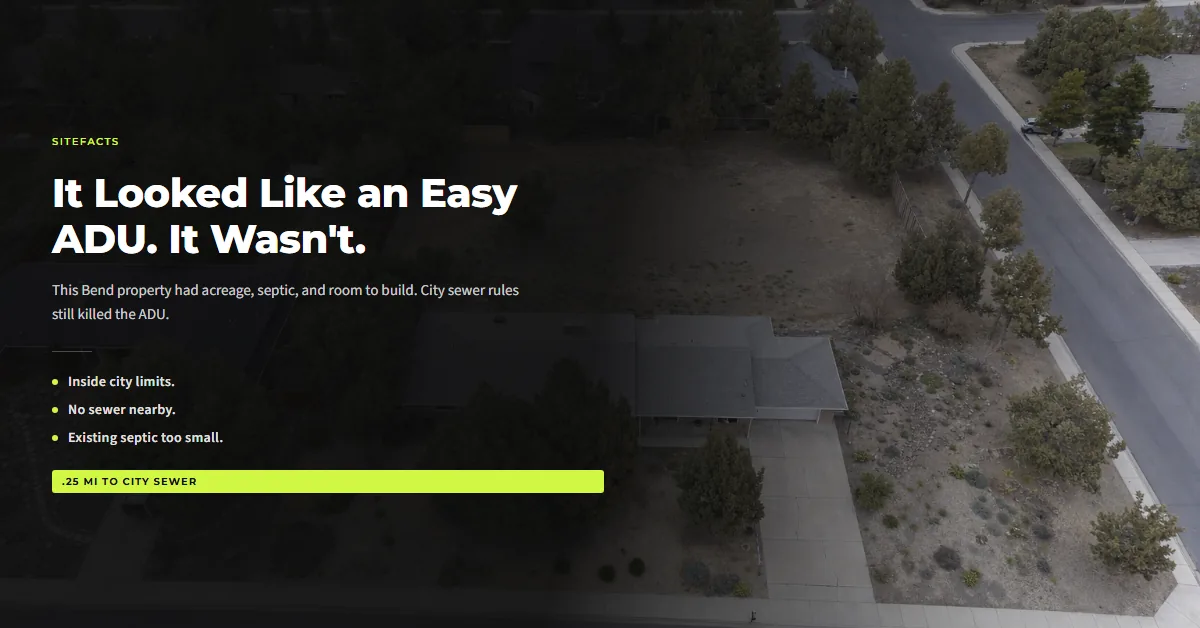 Utilities
It Looked Like an Easy ADU. It Wasn't.
A City of Bend case study in what actually ends ADU projects: not zoning, but the infrastructure nobody checked before purchase. Chapter 15.10 gives you two options, and sometimes neither works.
Read Due Diligence
What a Dead Permit File Revealed for an ADU Investment
A commercially zoned lot with an old residence can carry grandfathered residential rights, and an abandoned permit file can hand you sewer, power, and parking answers before you ever call a builder.
Read Permits
Applying for a Residential Building Permit in the Pacific Northwest
Pacific Northwest building permits take 3 to 6 months and $5,000 to $20,000, and the requirements that blow up timelines never appear on the county checklist. What Oregon buyers actually face.
Read Utilities
When "City Sewer Nearby" Means $100,000+ in Hidden Land Development Costs
"Sewer is right there in the street" is one of the most expensive assumptions in land buying. Proximity isn't access, and the gap can cost six figures.
Read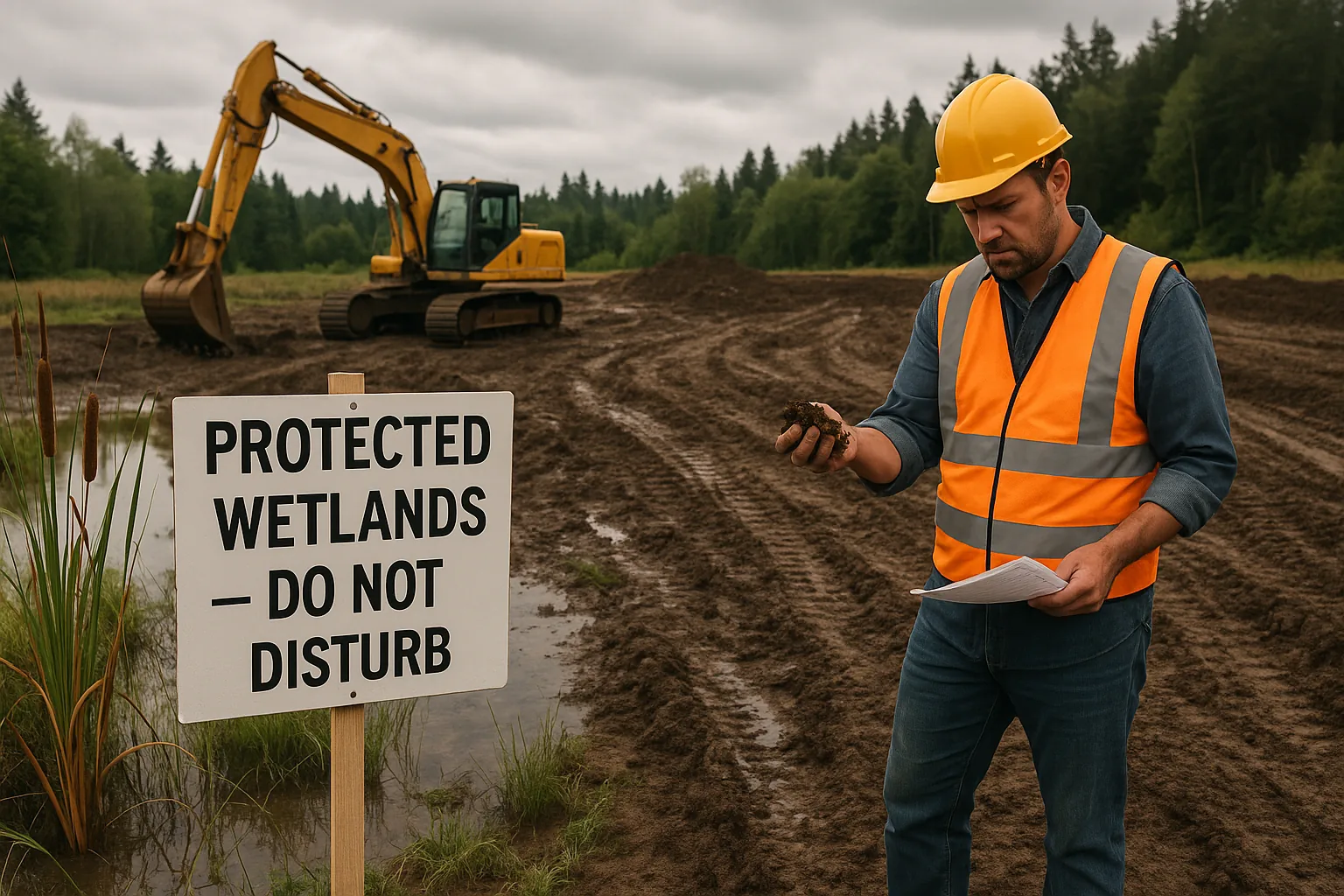 Soils
SoilsThe Hidden Cost of Hydric Soils: A Builder's Guide to Oregon's Wetland Regulations
A lot can look bone dry in August and still be a mapped wetland. Here's how hydric soils quietly add a month and thousands of dollars to an Oregon build.
Read Permits
Sidewalk Requirements for Infill Lots: Avoiding Costly Surprises
Sidewalks are a building-permit condition, not a property disclosure, so they never show up in the paperwork. On a corner infill lot, that's a $9,600 change order after your loan has already closed.
Read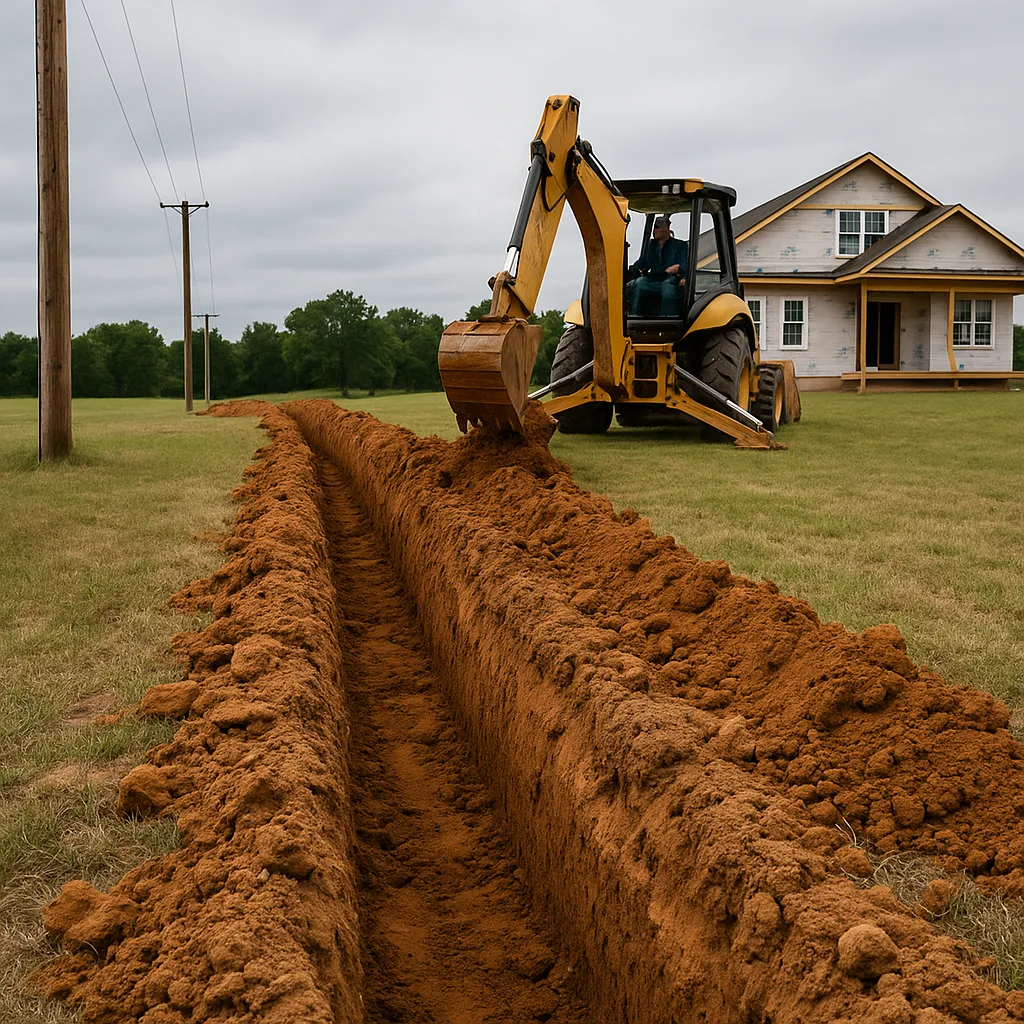 Utilities
Power Planning Guide: Electrical Service for Your New Home Build
Most first-time builders think power is a phone call to the utility. It's actually one of the longest-lead items in the whole build, and the number one cause of construction delays.
Read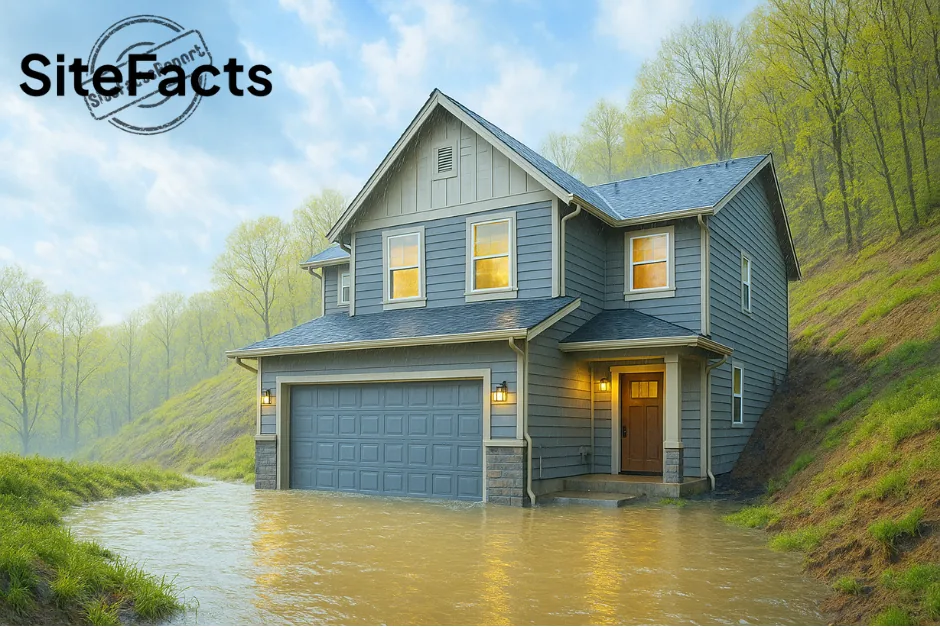 Site Development
Grading and Drainage: Why They Matter More Than You Think
Grading and drainage are the number-one post-move-in complaint in new construction, and the warning signs are visible on the first site walk. The drains PNW code requires, and the lots that make water.
Read Site Development
Tree Removal Site Prep: The Stump Holes That Stop Your Build
Backfilled tree stump holes are one of the most common hidden conditions on cleared lots, and one that can halt your foundation on day one. Here's how Oregon code treats them and how to plan ahead.
Read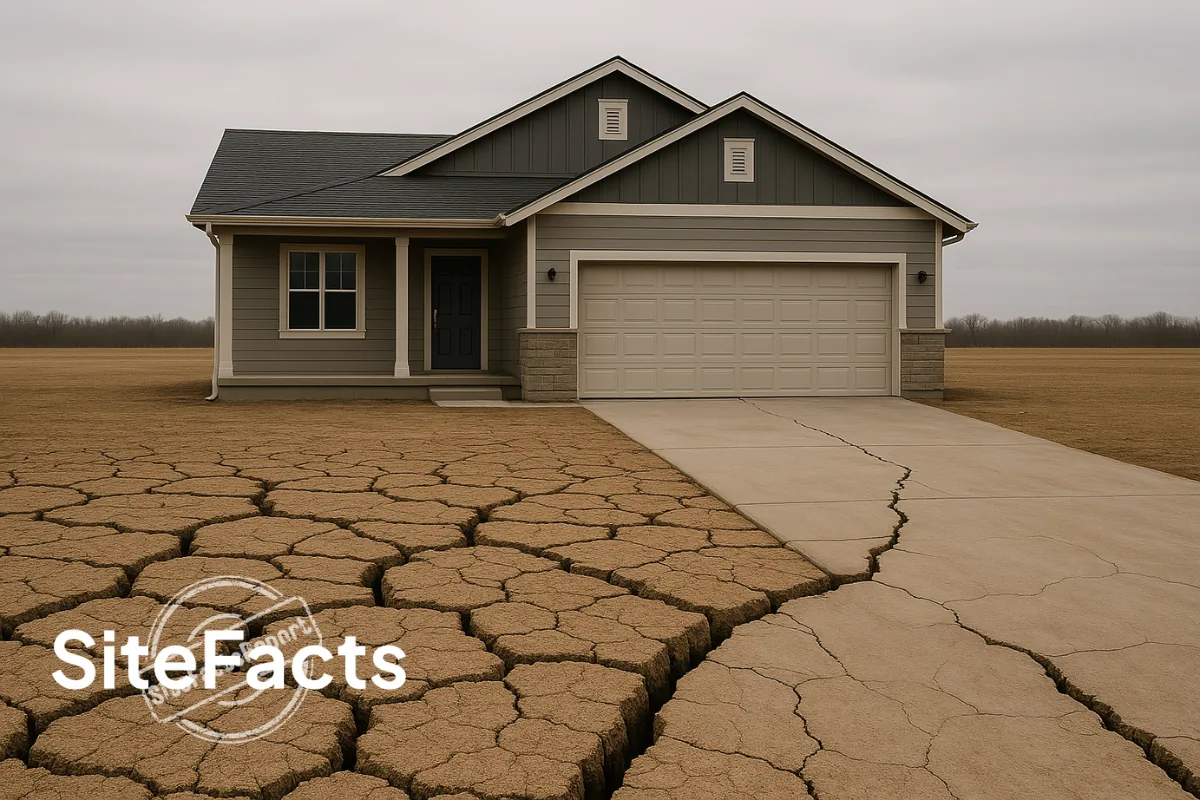 Soils
SoilsWhy Expansive Soils Matter When Buying Land
The lot looks perfect. The problem is what's under it: clay soils that swell, shrink, and quietly crack foundations long after closing.
Read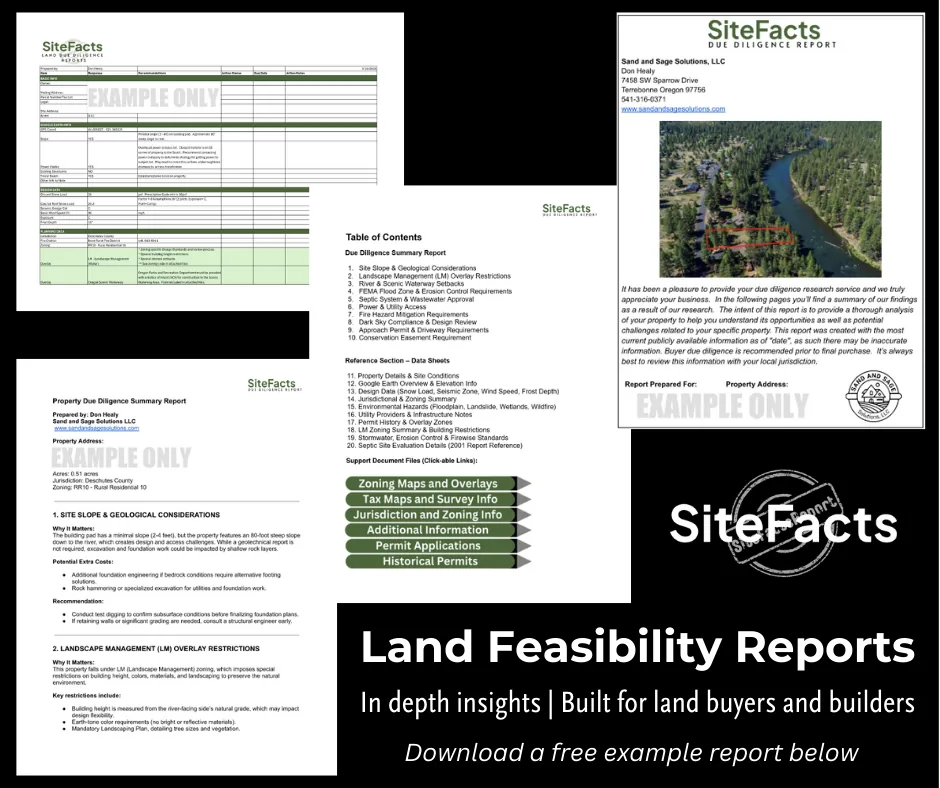 Due Diligence
What Is a SiteFacts Report? Your Land Feasibility Cheat Code
A SiteFacts Report is a plain-English due-diligence file that tells you whether a piece of land is actually buildable, before you spend a dollar on design or closing.
Read Fire Safety
Fire Access Requirements for Residential Property
The driveway is the part of a build most people treat as an afterthought. The fire marshal treats it as a permit condition, and it can cost six figures to fix late.
Read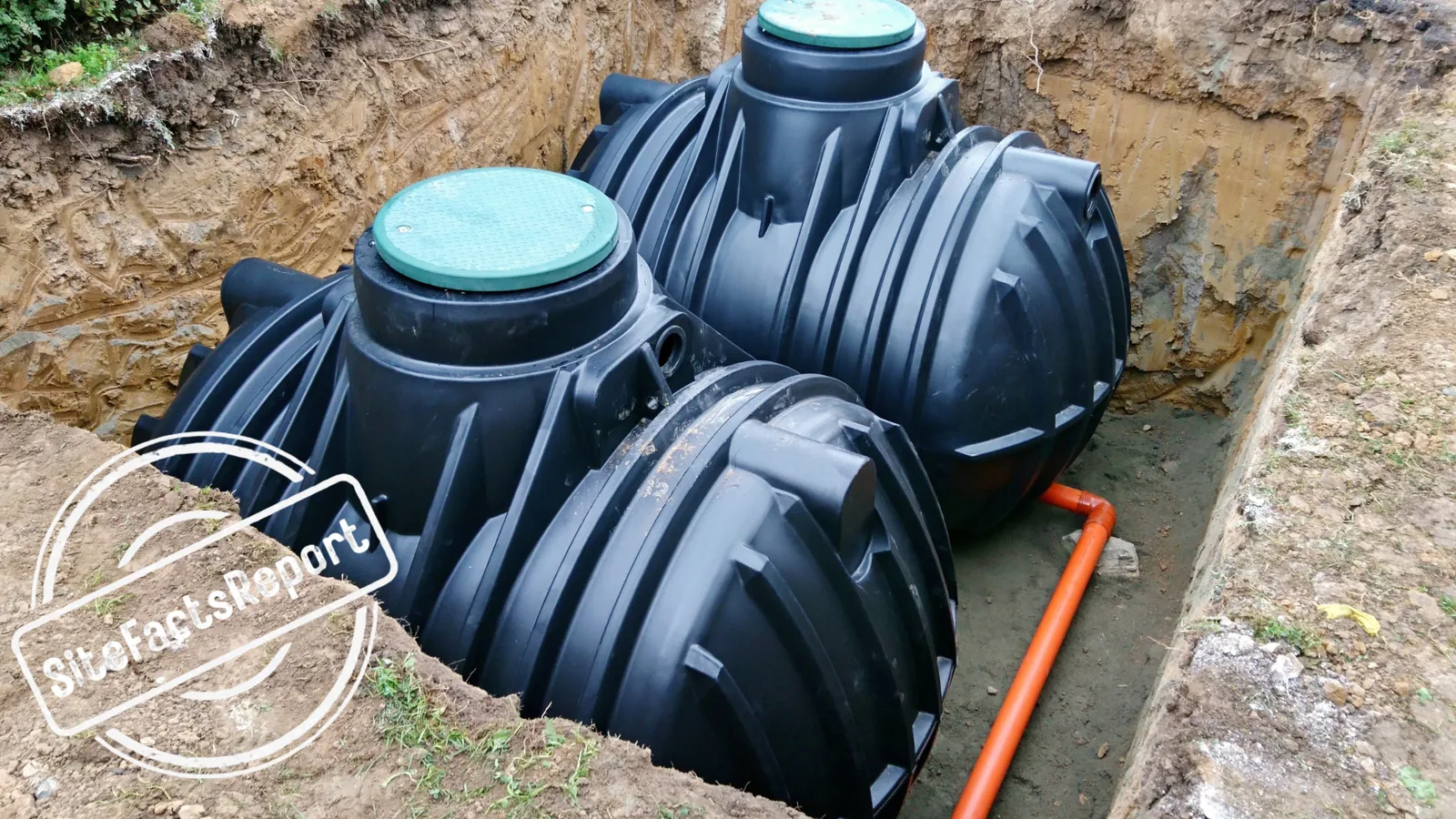 Utilities
Understanding Septic Systems in the Pacific Northwest: What Land Buyers and Builders Must Know
On most rural PNW lots, one question decides whether you can build at all: what will it take to treat the wastewater? Here's how septic feasibility really works, and what the wrong soil costs you.
Read Land Buying
Why Are Washington Home Construction Costs Surging Past the National Average?
Washington builds average $309 a square foot, more than double the national $130.68. Here's what BIAW's 2024 data says is driving it, county by county, and how to build smarter.
Read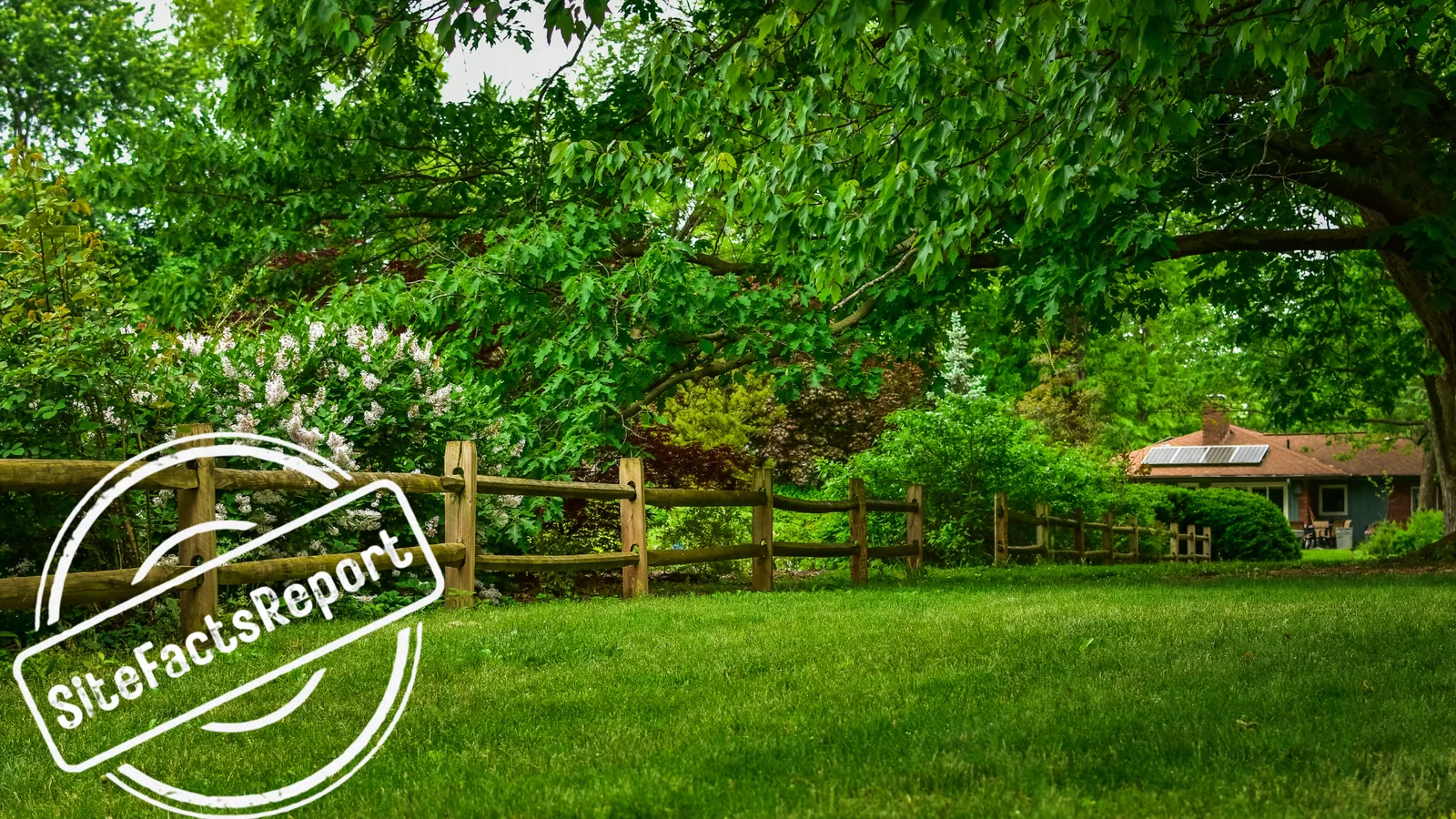 Due Diligence
Don't Trust the Fence: Why a Land Survey Is a Must Before You Buy
A fence is not a property line. It just looks like one. On a tight lot, that gap can erase your entire build, and a survey is the only way to know before you're stuck with it.
Read Due Diligence
What Is Due Diligence, and Why Do You Need It Before Buying Land?
Due diligence is the homework that separates a good land deal from a money pit. Here's what it actually covers, and why it belongs before the offer, not after.
Read Utilities
What Is a Perk Test? A Must-Know for Homebuyers and Developers
A perk test measures how fast your soil drains, and whether the land can legally carry a septic system at all. Fail it, and the fix can run five figures. Here's what to know before you buy.
Read Land Buying
The Ultimate Guide to Buying Land to Build a Home
Buying the land is the easy part. Zoning, utilities, soil, and permits decide whether you can build, and raw parcels routinely need $20,000 to $80,000 in site prep the listing never mentions.
Read Land Buying
Beyond the Sale Price: How Location Affects Your Home's True Cost
Two neighboring Oregon counties, the same house, a $312,600 difference over 30 years. Where you build sets the permit fees and property taxes the sale price never shows.
Read Land Buying
Conquering the "Cliffs of Insanity" in Land Buying and Home Building
Nobody tells you what happens after you buy the land. Here are the five Pacific Northwest site surprises that quietly add $30,000 to $150,000, and why the report belongs before you close.
Read Site Development
Geotechnical Reports: What a Soils Study Tells You Before You Build
A geotechnical report is a licensed engineer's read on what's beneath your build site. Here's when Pacific Northwest jurisdictions require one, and the $50,000 repair skipping it can trigger.
Read Fire Safety
Building Near Nature? Understanding Wildland Urban Interface Requirements
A home with nature as your neighbor comes with a rulebook most buyers never see until permitting. Here's what a WUI designation actually costs.
Read